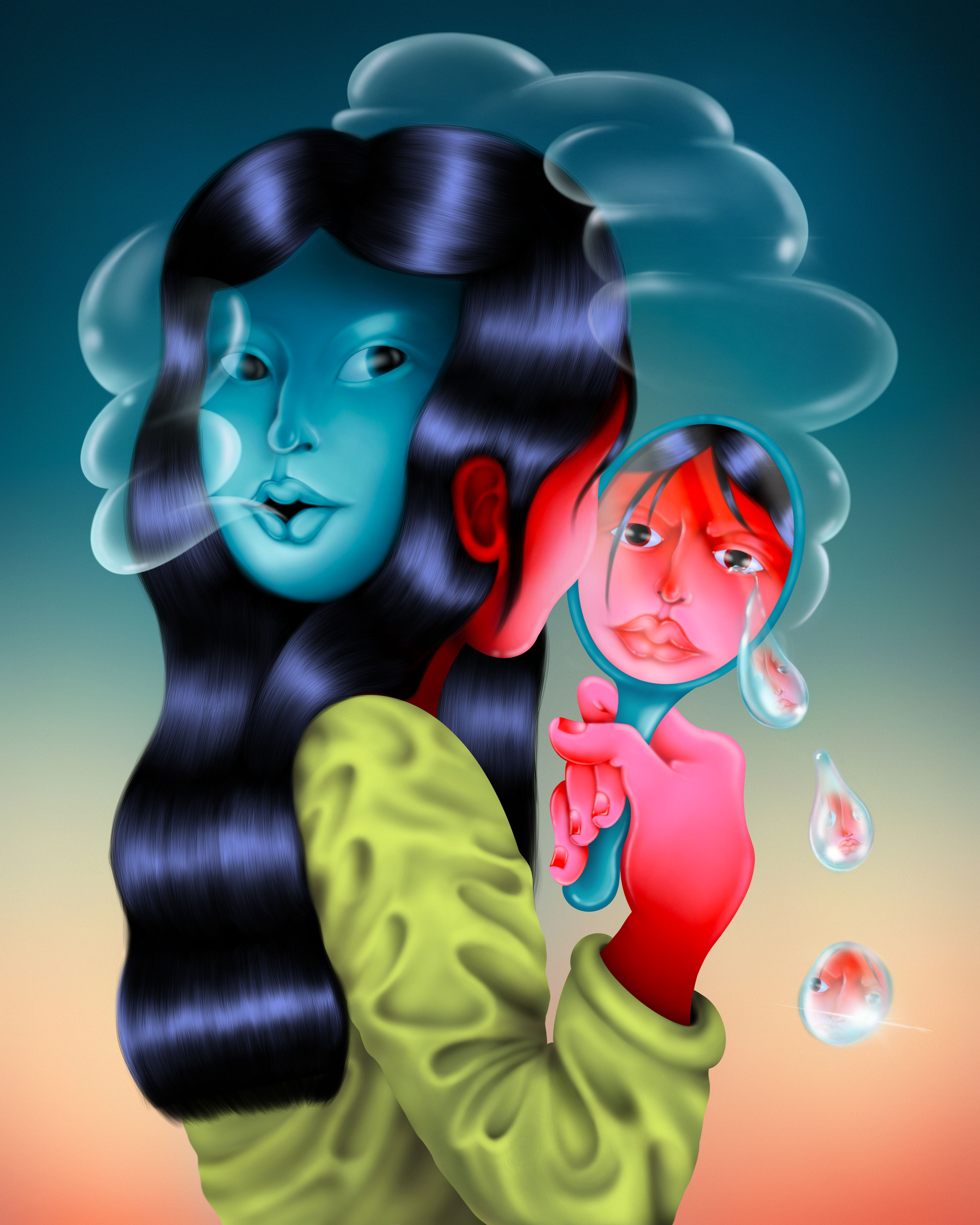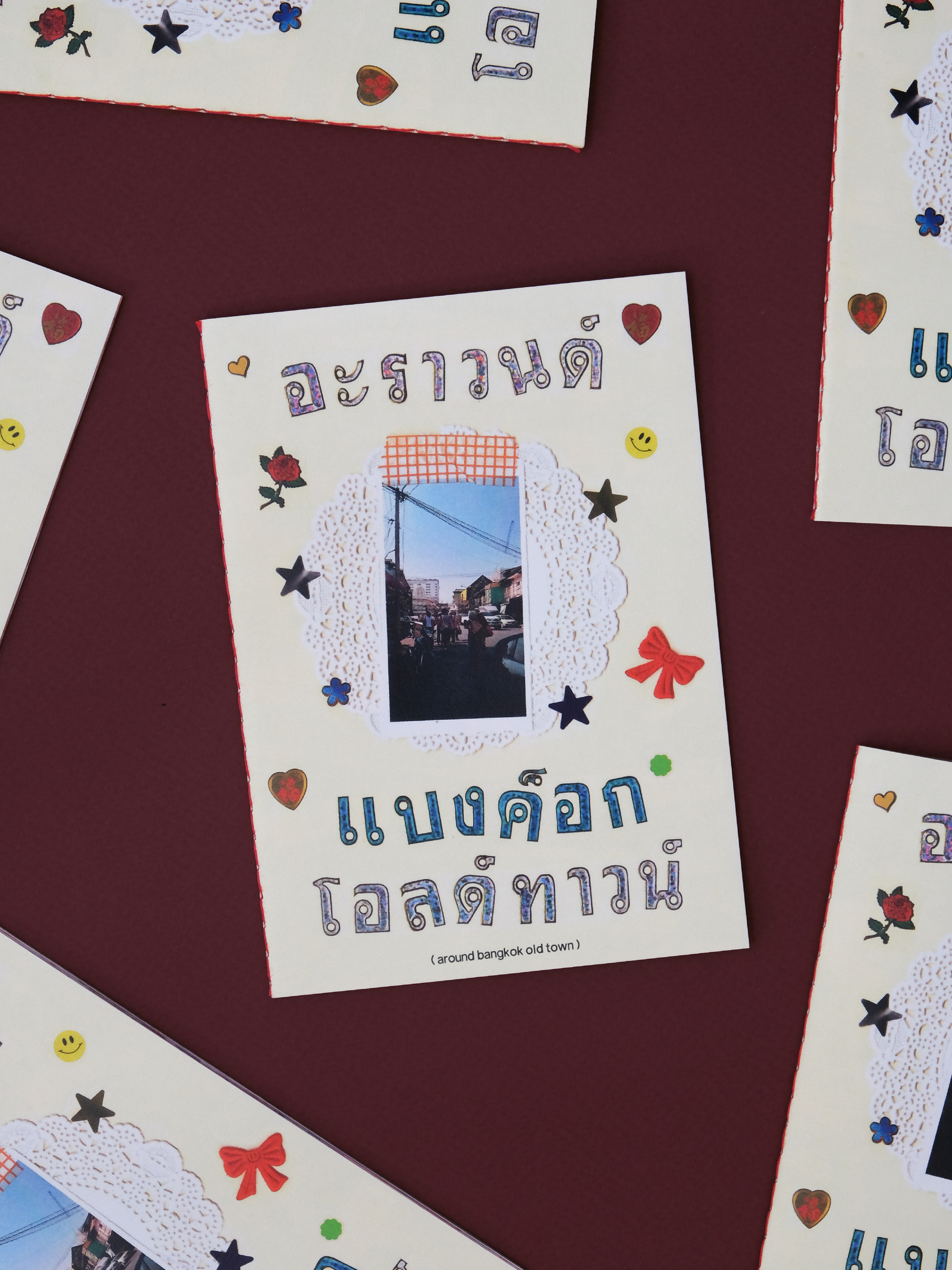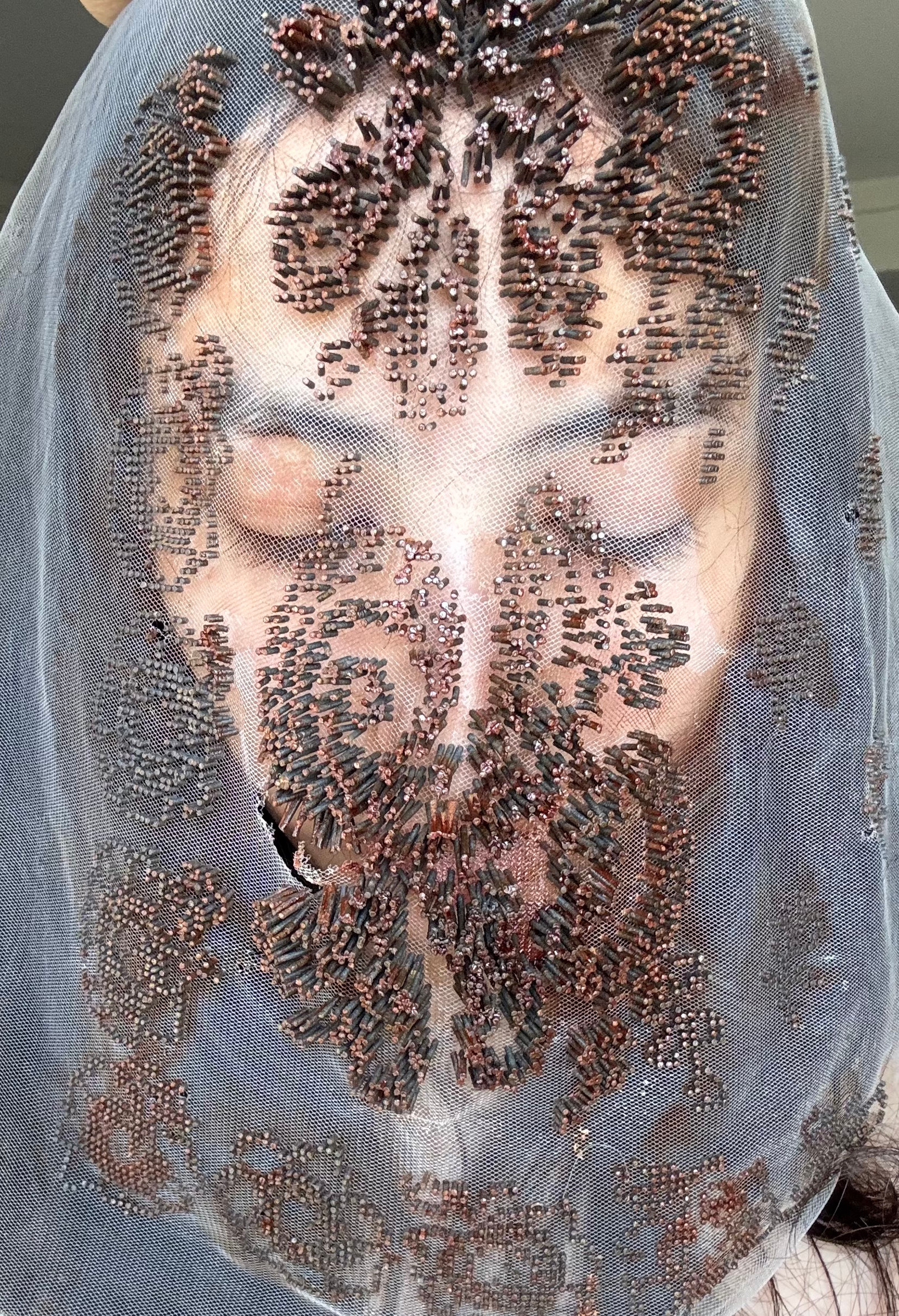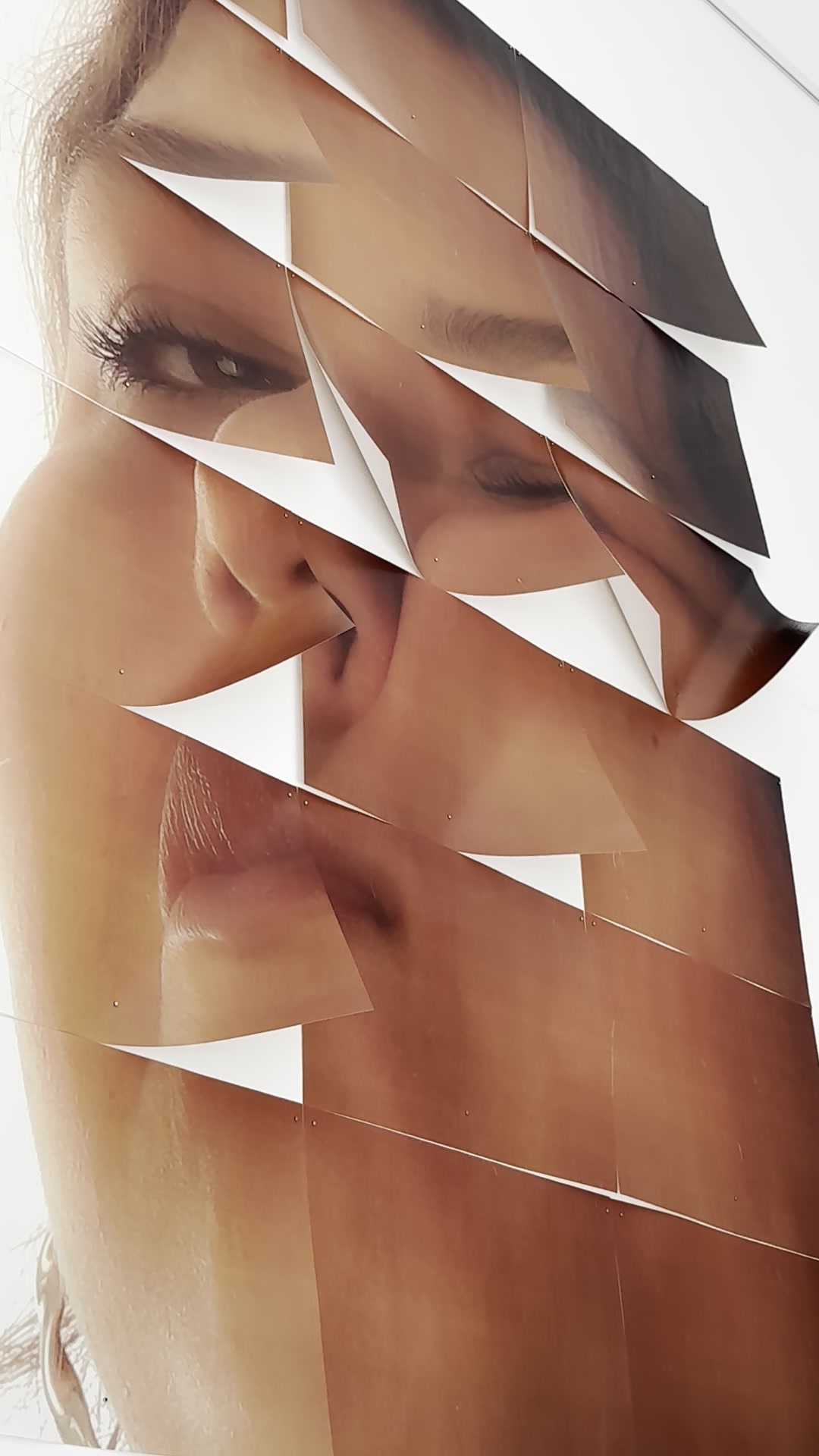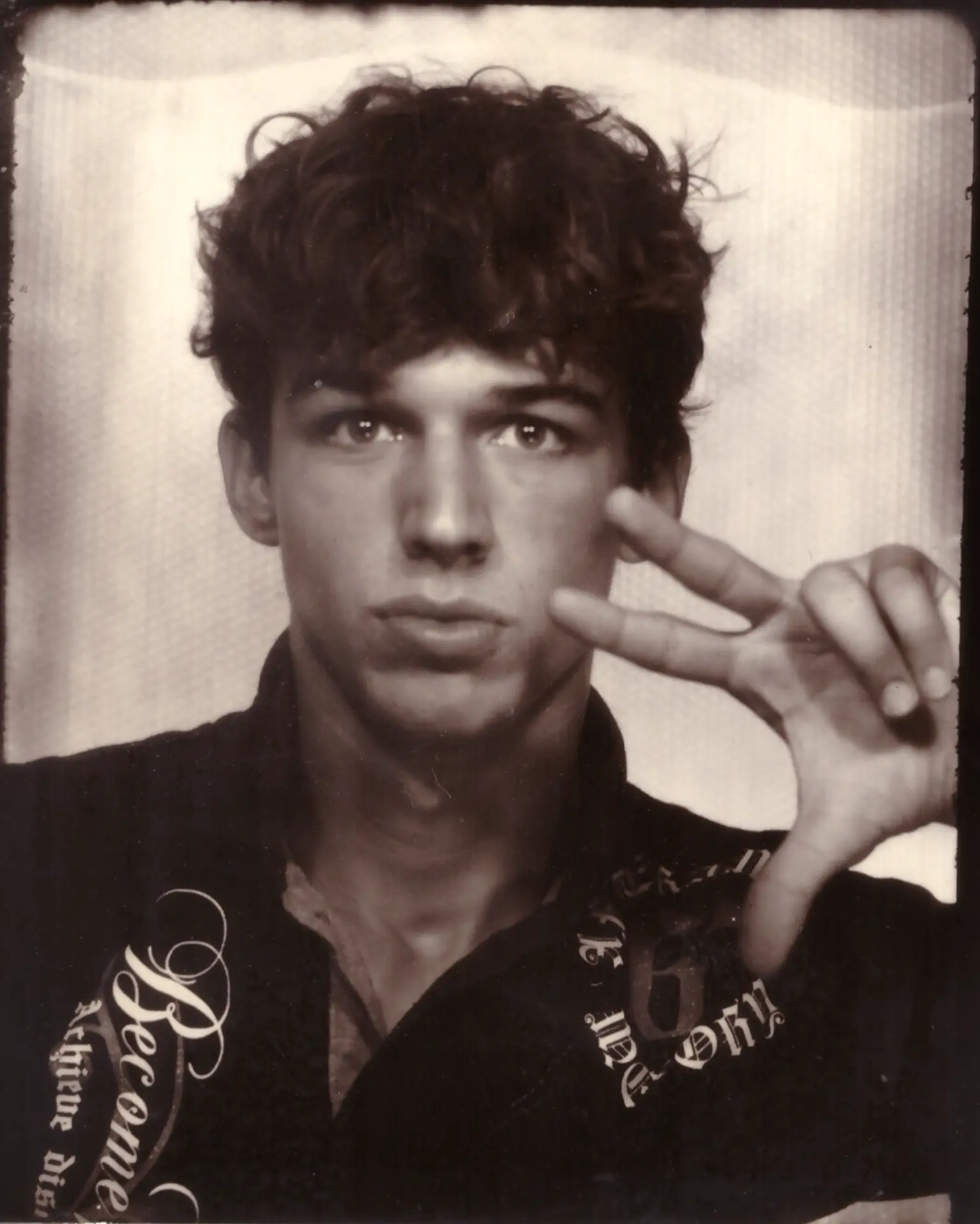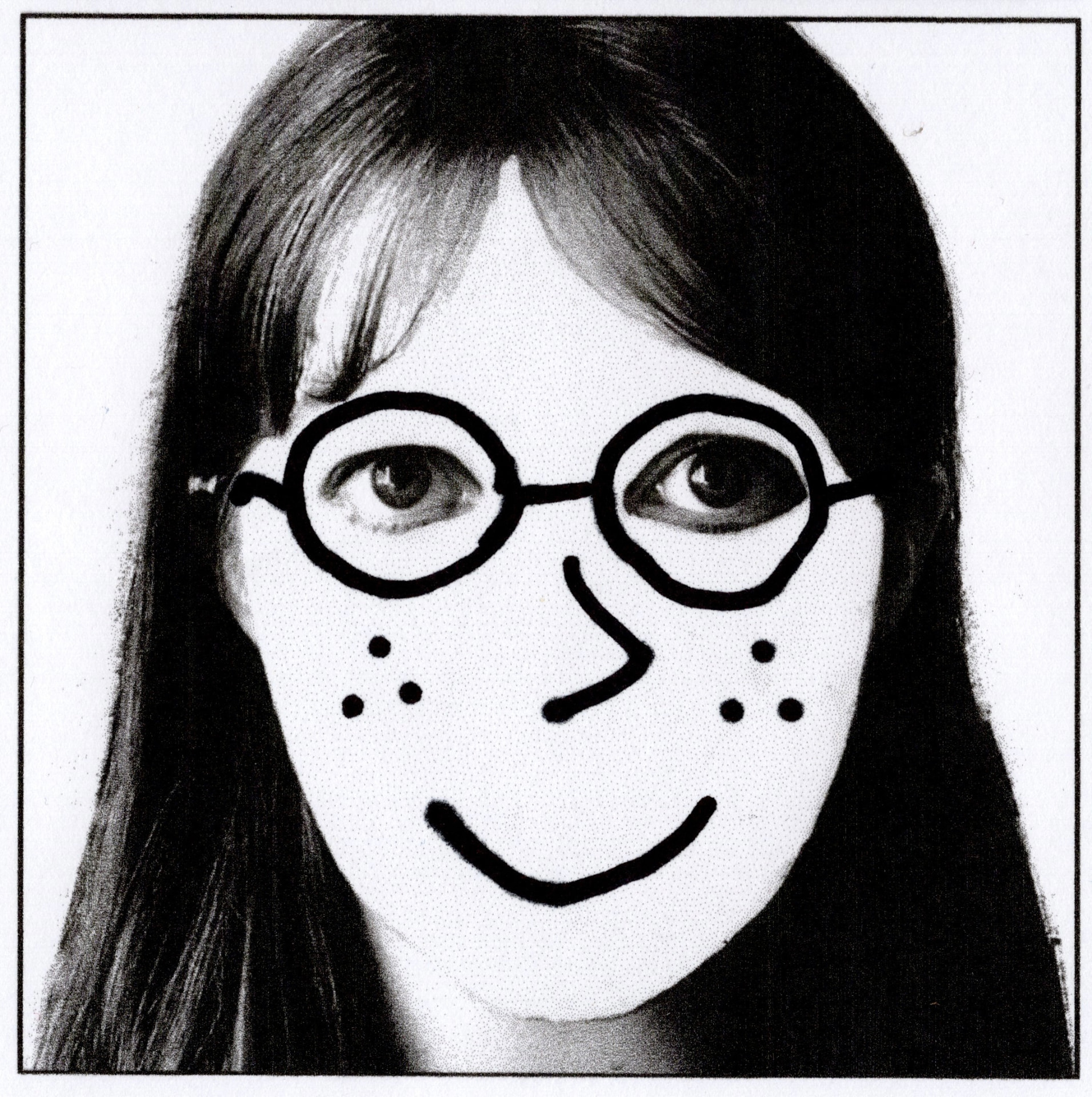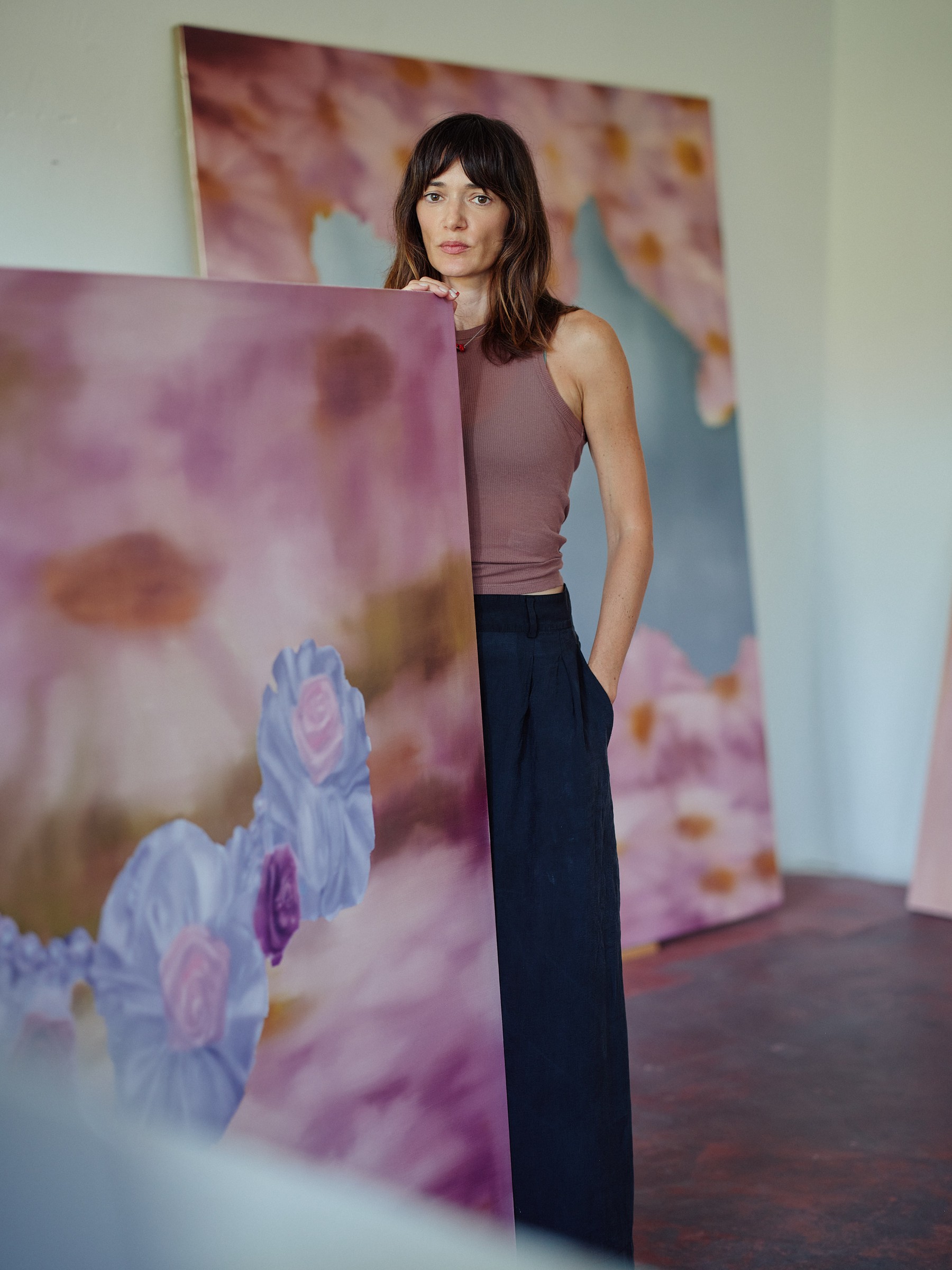
Martina Grlić (b. 1982, Zagreb) is a Croatian artist whose practice centres on figurative painting and the narrative potential of the image. Her work explores the introspective layers of memory and socio-historical legacies, engaging with the politics of remembrance, modes of image interpretation, and gender aspects. Through ethnographic and autoethnographic approaches, she reimagines everyday objects tied to female experience, transforming them into compelling visual compositions. Grlić’s paintings explore identity in post-socialist contexts, merging clear memories with surreal elements to prompt reflection on personal and cultural histories.
Grlić graduated with an MFA from the Academy of Fine Arts, Zagreb, Croatia. She has exhibited at the Museum of Contemporary Art, Zagreb; Kunstlerhaus, Vienna; Ningbo Museum of Art, Ningbo, China, and the National Museum, Gdansk, Poland. Among her solo exhibitions are Memory Projects (Fragment Gallery, New York, 2024), Mindscapes (Galerija Bačva, HDLU, Zagreb, 2022; Kibla, Maribor, 2023), Hypermnesia (Lauba, Zagreb, 2021; Fragment Gallery, Moscow, 2021), Distinct Realities (Potemka Galerie, Leipzig, 2019), Memory and Conflict (Karas, 2018), and Collective Dreams (Galerija Kranjčar, Zagreb, 2017). Her works are included in the collections of the Museum of Modern and Contemporary Art in Zagreb, Erste Bank, and the Zuzāns Collection in Riga. She lives and works in Zagreb, Croatia.
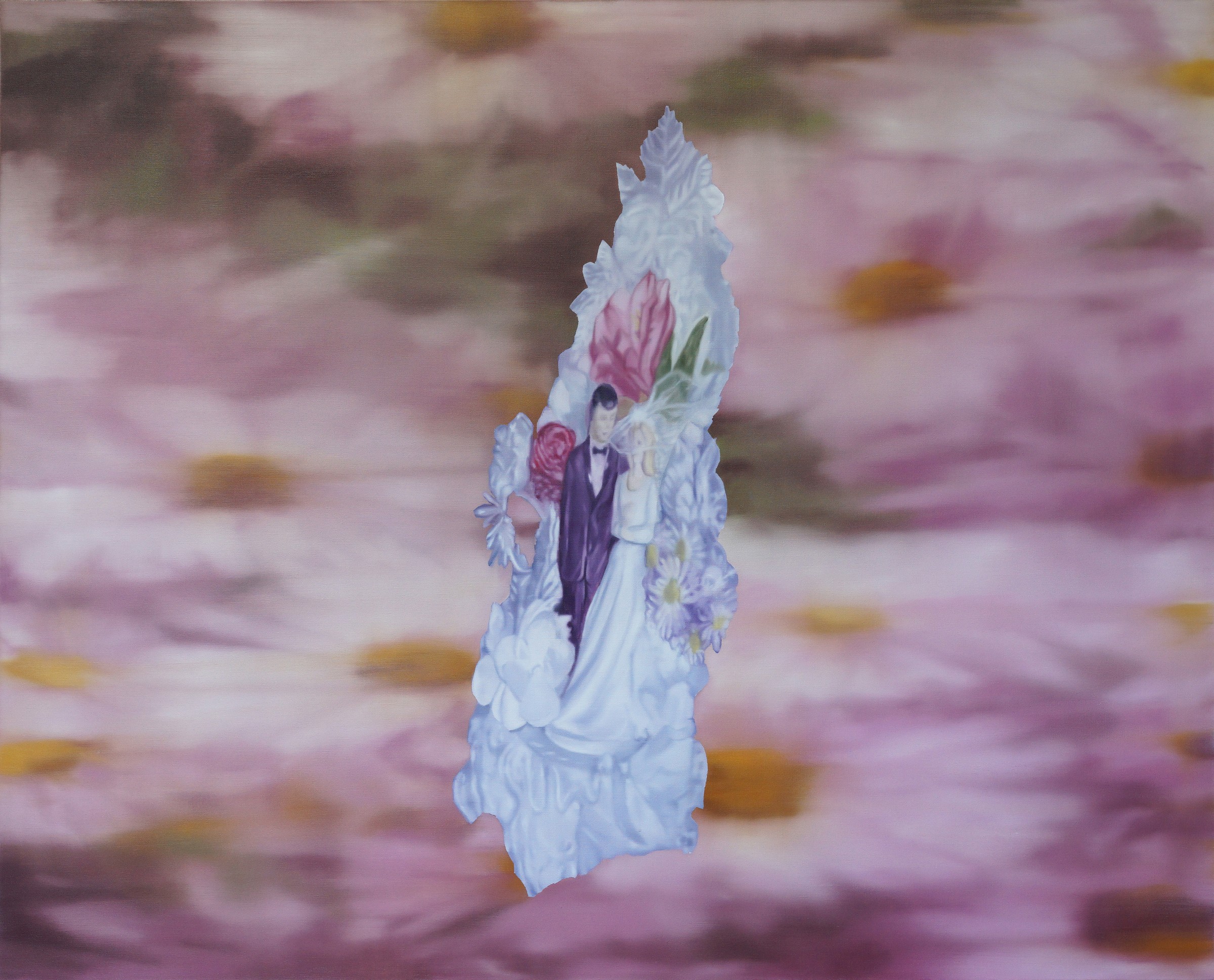
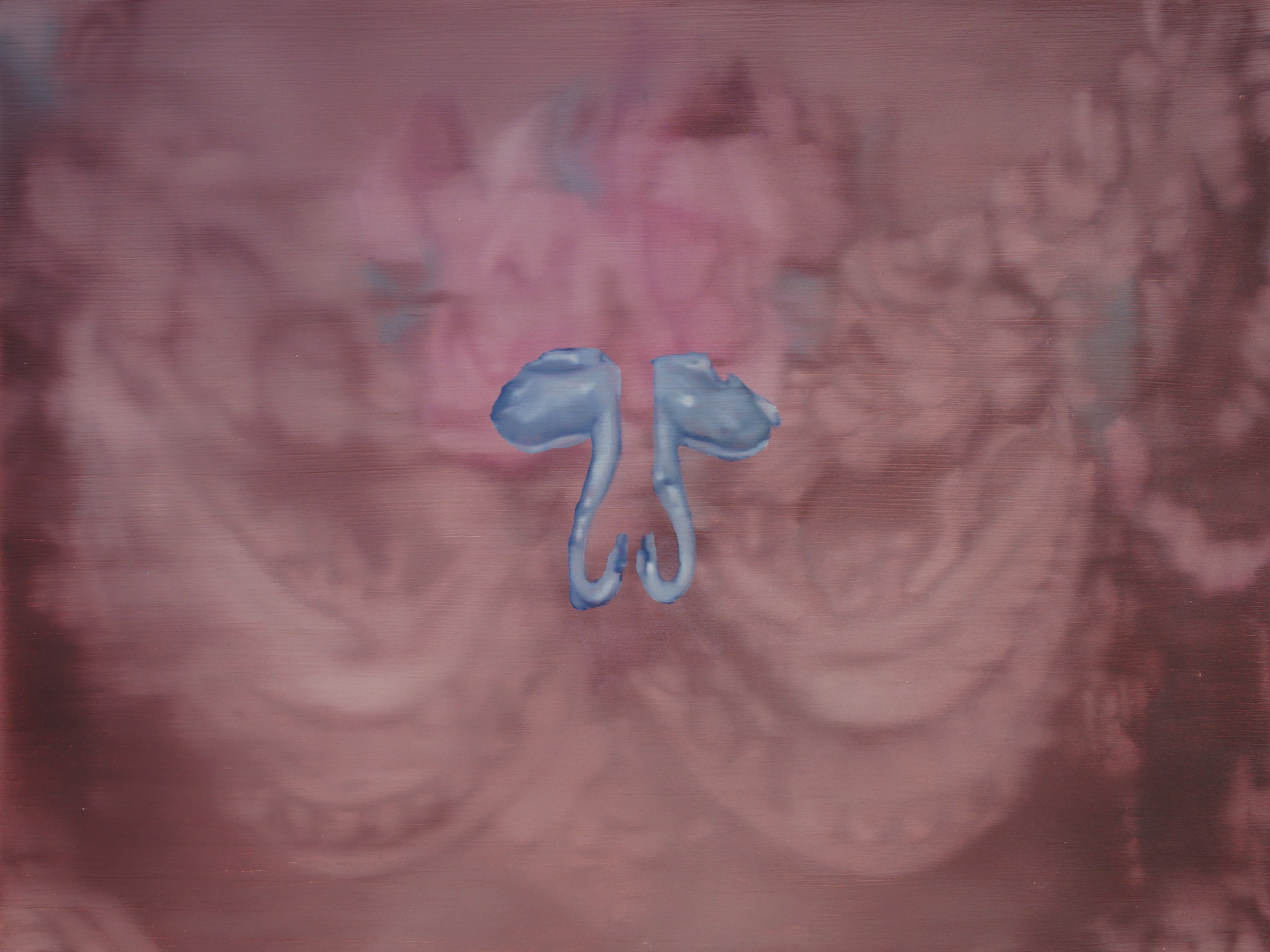
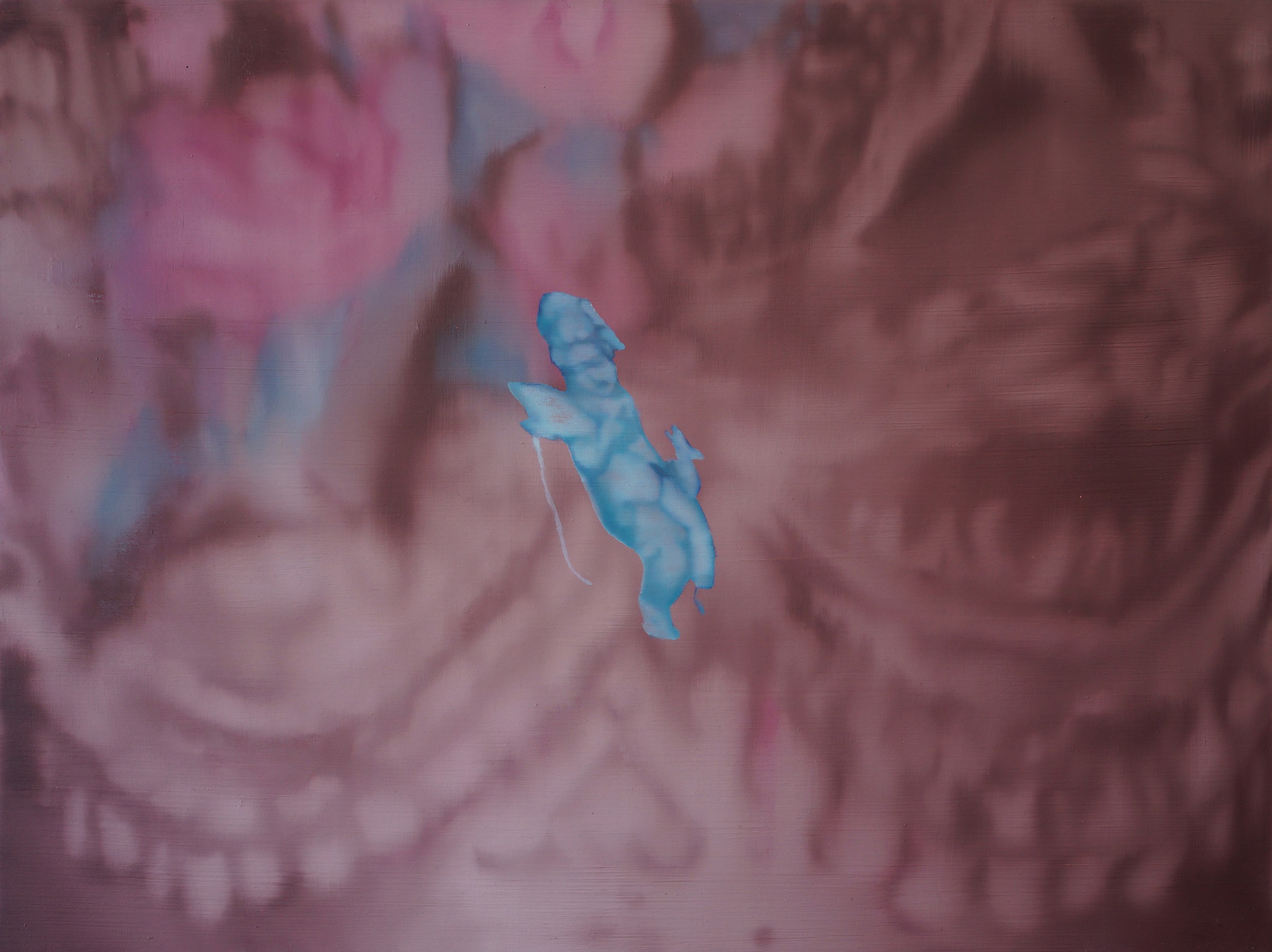
I wanted to start with Saccharine Idyll, your show at Trotoar in Zagreb last fall. It's actually how I first came across your work, and it's one of my favorite exhibitions in recent years. I'd love to know where that body of work began for you. Was there a particular image, discovery, memory, or moment in your life that first set it in motion?
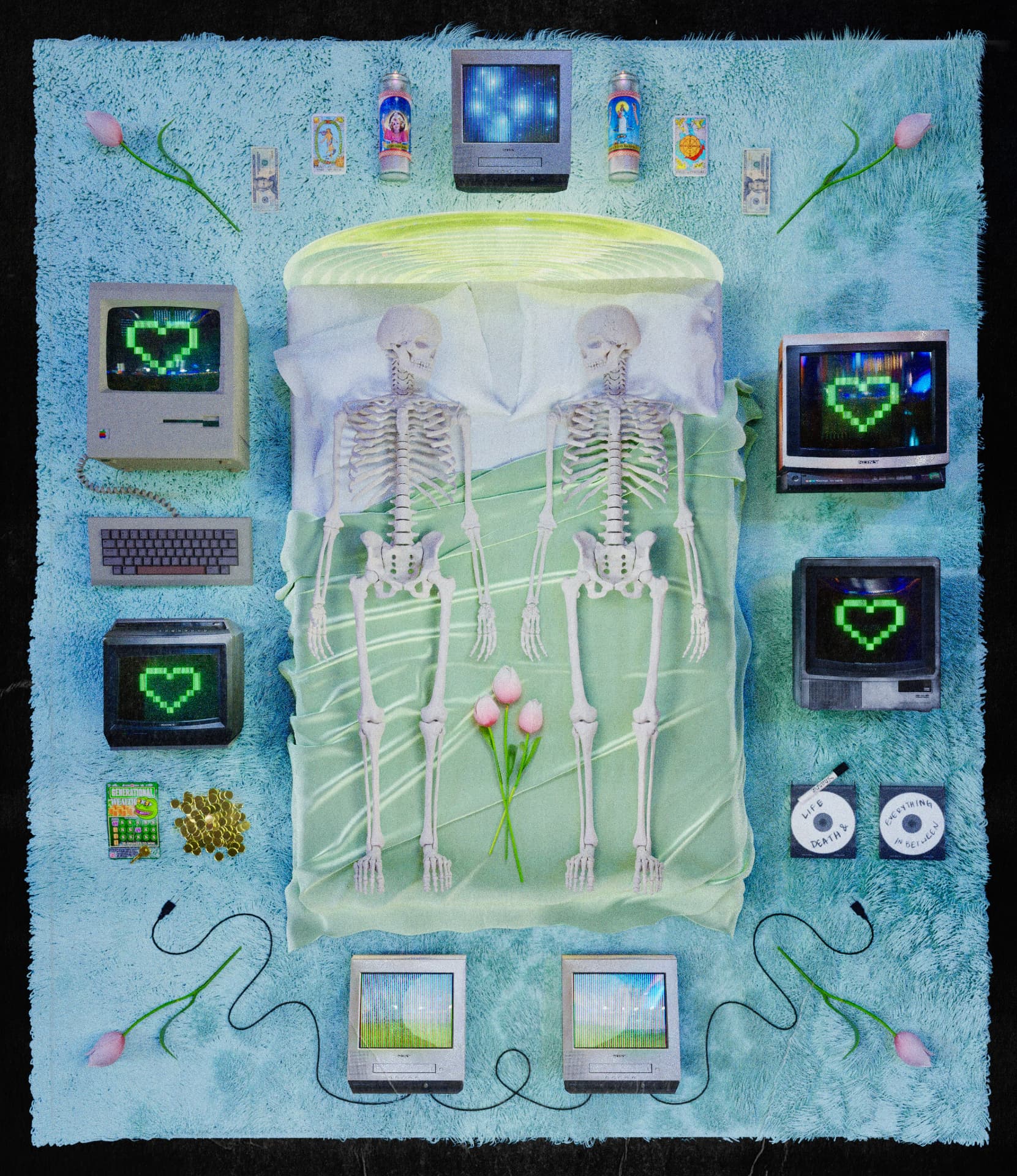
I was thinking a lot about memory: what it is, where it comes from, and what it actually does. How does it shape our personas, our reality, our understanding of the world? Memory is information that starts to change the moment it enters our brain. It’s like a living organism, always growing, shedding and rewriting itself. As I explored scientific, philosophical and literary ideas about memory, I became more and more drawn to introspection and to the subjective nature of making art. Along the way I came across the concept of memory as an imaginary safe space, a place where you can escape everyday life. Paul Auster describes something very close to this in The Brooklyn Follies: the Hotel Existence, a dreamlike refuge his characters invent for themselves when real life becomes too heavy. That image stayed with me. But a refuge built from memory is never quite innocent. The sweeter it looks, the more it hides, and that tension became the core of the show. The other thing that drew me in was how the visual elements, symbols and pop-culture emblems we unconsciously collect throughout our lives shape our identity and our understanding of the world. I wanted to map these triggering artefacts and transpose them into imaginary landscapes where infinite possibilities can unfold.
What found you at a particularly malleable point in your artistic life and never really left? It could be a film, song, book, artwork, movement, person, place, or something else entirely.
The question says “found,” and that’s exactly how it happened for me. It wasn’t a film, a book or a person. It was the path itself. Since childhood I’ve had a very vivid imagination, and as I grew up I became more and more absorbed by the idea of materialising something invisible, giving form to a visual idea or an emotion. Art was the closest thing to that impulse. Simply looking at art moved me more deeply than almost anything else. And yet, when I was much younger, before I had any kind of career, I made a conscious decision to stop pursuing it. I let it go completely. Then, through a swirl of small, almost unremarkable events, it found me again, and I’ve been on that path ever since. What stayed with me from that time is an insight that feels almost deterministic: some things can’t be renounced, only postponed. Even when we cut something out, it finds its way back. Maybe it’s no coincidence that cutting out later became part of how I work.
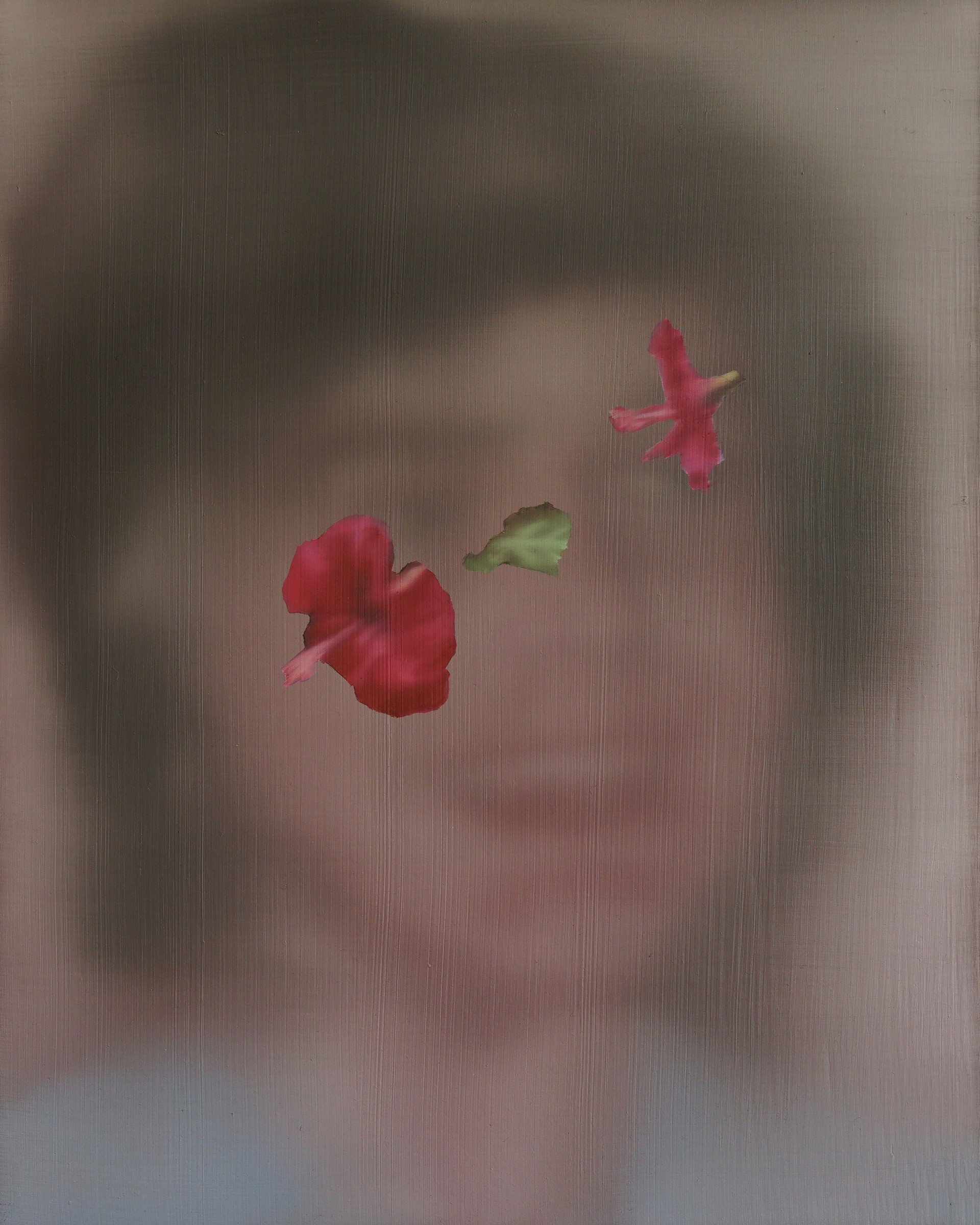
As your style has evolved over the years, were there any changes you made intentionally, or did it happen more organically?
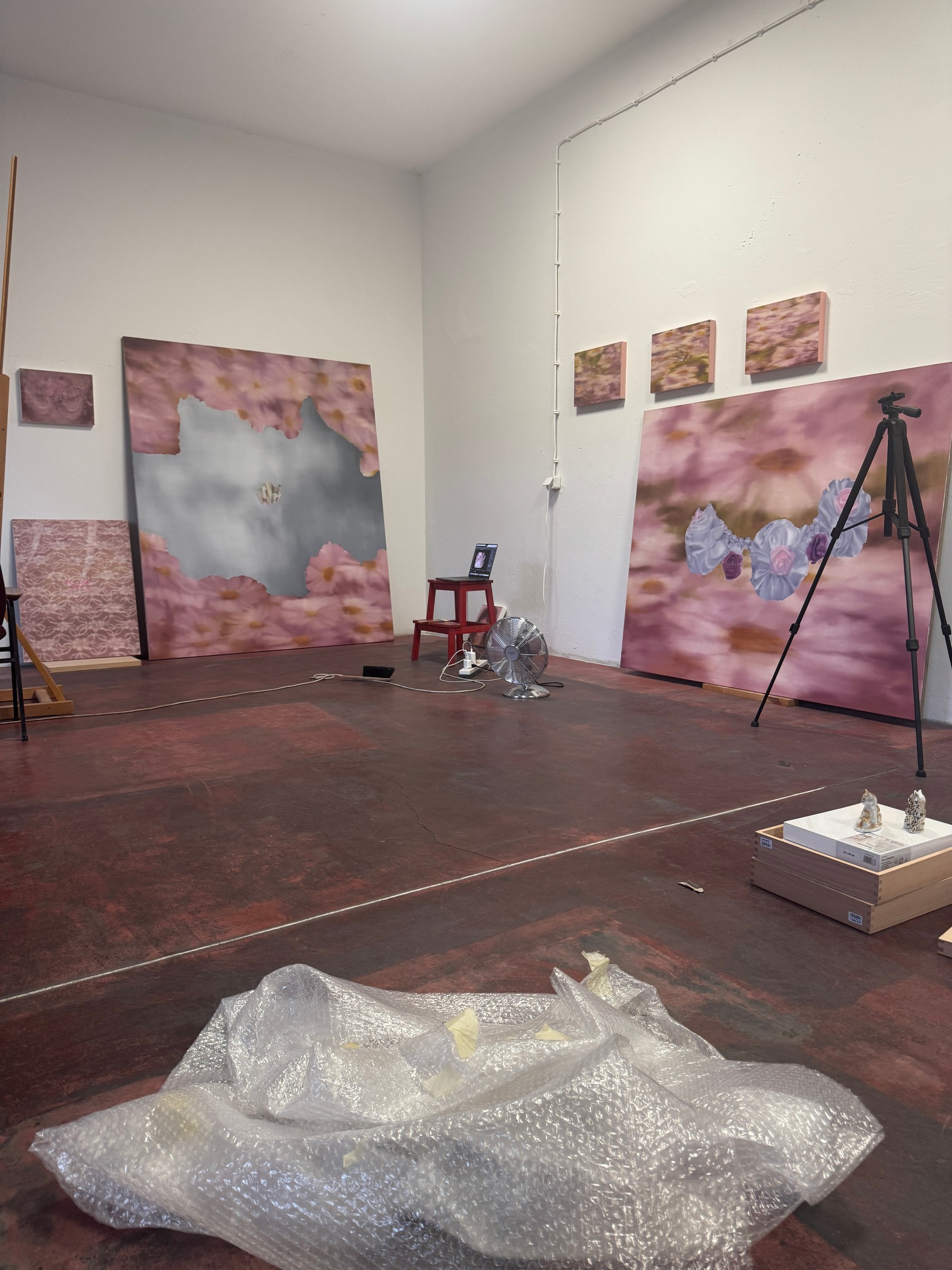
It was both, though mostly the change happened gradually. Toward the end of my studies at the Academy, I made a deliberate twist. The works from that period weren’t very successful, but looking back, I see that rupture as necessary. Something had to be dismantled before anything new could take shape. After that, the shifts became quieter and more organic. In my earlier cycles I worked mainly through appropriation of archival material, taking an existing story and displacing it into a different context and time. I was interested in what happens to an image once it leaves its original moment. I loved that process, but as I matured, the faithful quotation started to feel too narrow. I wanted more layers and more ambiguity, and I wanted room for my own subjectivity. Over the last several years I’ve turned more toward introspection and the act of painting itself, searching for a balance between figurative precision and a more personal, atmospheric abstraction. I no longer simply quote memories. I manipulate them, because memory itself is unstable. It is always a reconstruction, never a record. Lately I sense subtle shifts again, and I’m trying to follow them with patience rather than self-imposed pressure. I’m letting the work lead me as much as I lead it.
What ideas or questions are you most interested in exploring through your work right now?
At the moment I’m in an in-between phase. I have several projects underway, but they’re still taking shape, and I’ve learned not to name things too early. An idea that is articulated too soon can lose its potential. Painting is often the way I find out what I’m thinking, not the other way around. Still, some questions stay constant beneath everything I do. I keep asking how identity is constructed: how much of who we are is truly ours, and how much is assembled from images, symbols and narratives we absorbed without noticing. I’m interested in the space where personal and collective memory overlap, where something deeply private turns out to be shared, and something shared becomes intimate. And I keep returning to nostalgia, which can be both a refuge and a trap. What feels new is that I’m becoming more interested in the moment of transformation itself: the point where a familiar image starts to become strange. That’s where I want to stay for a while and see what emerges.
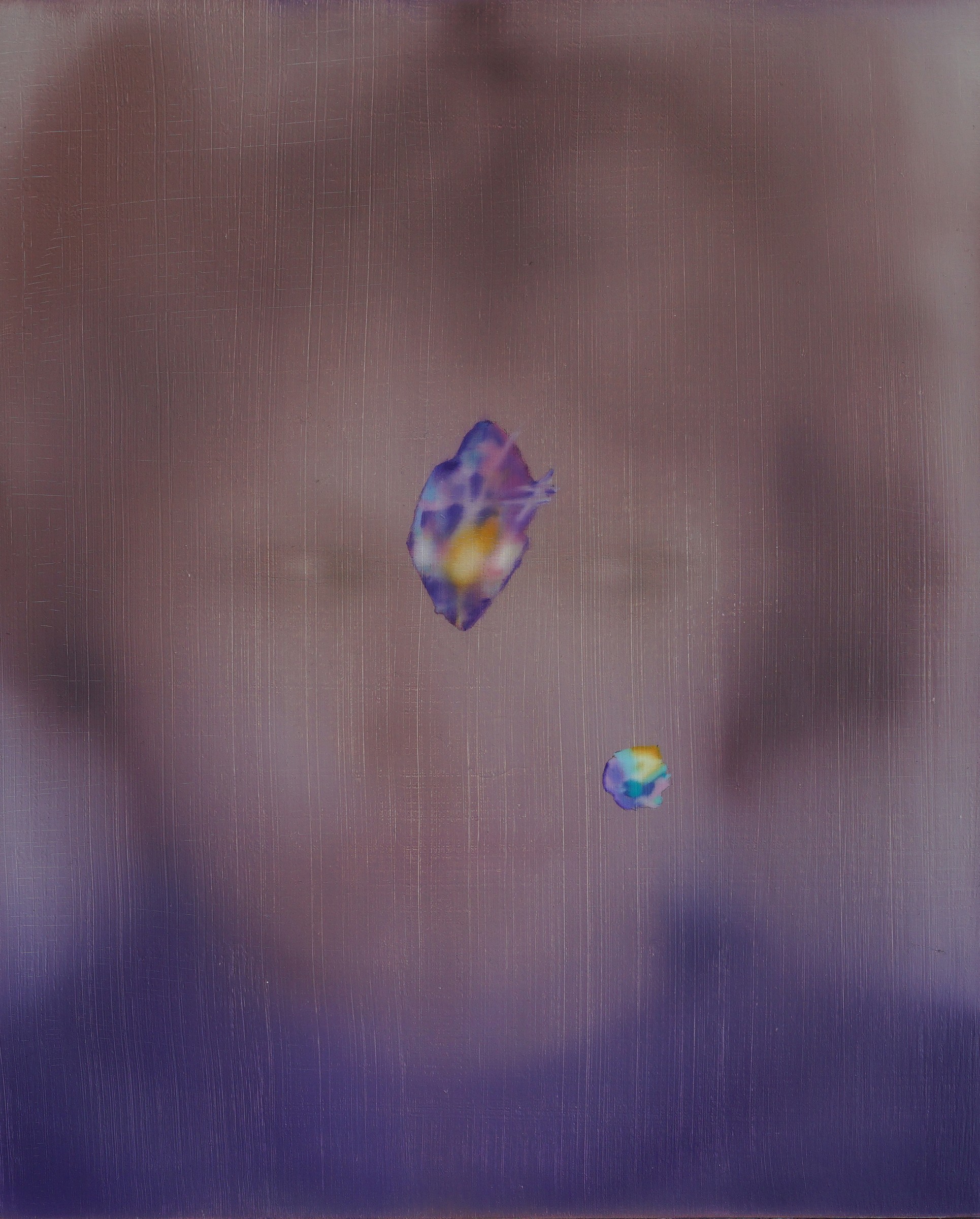
Imagery courtesy of Martina Grlić and Damir Zizic.