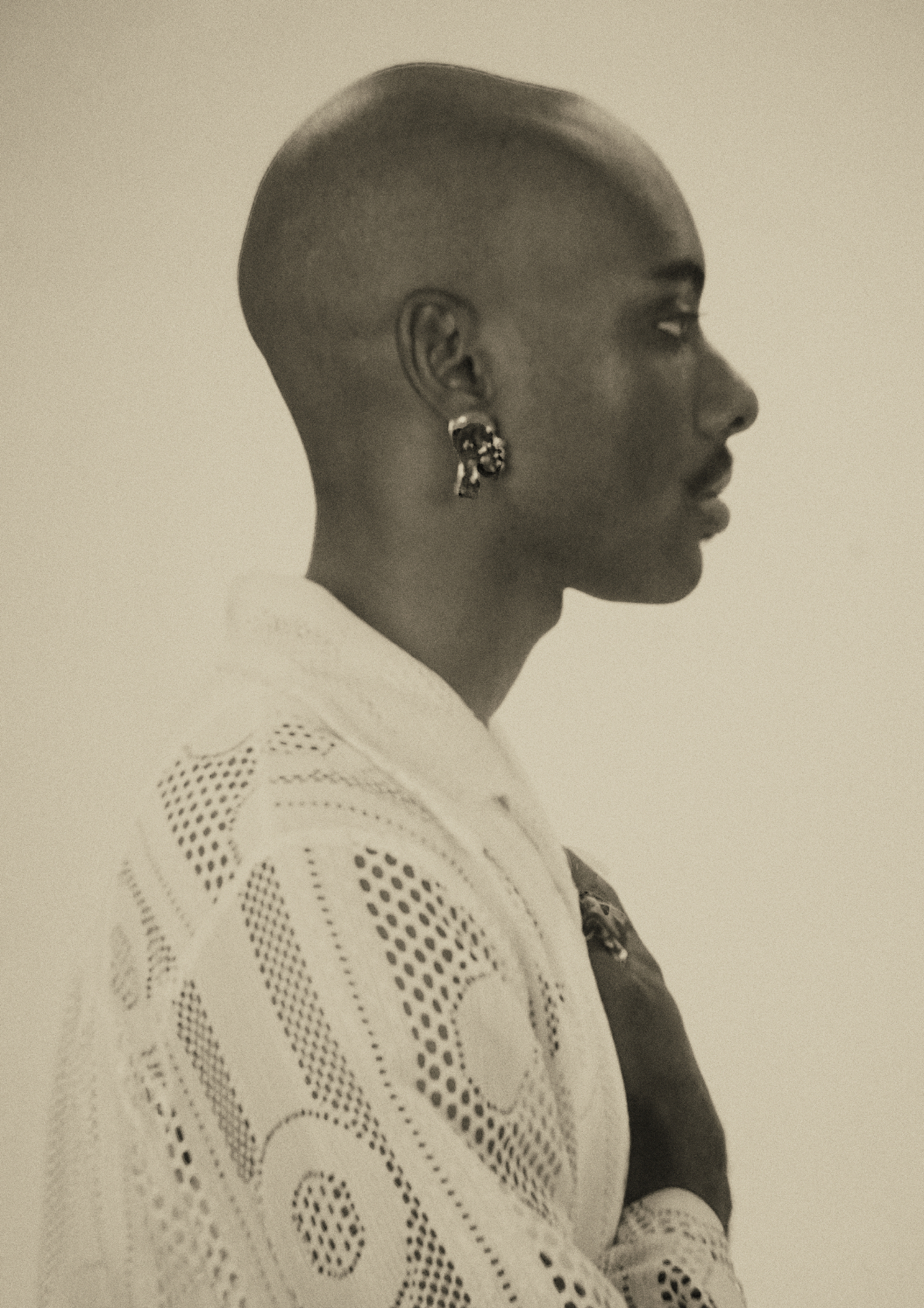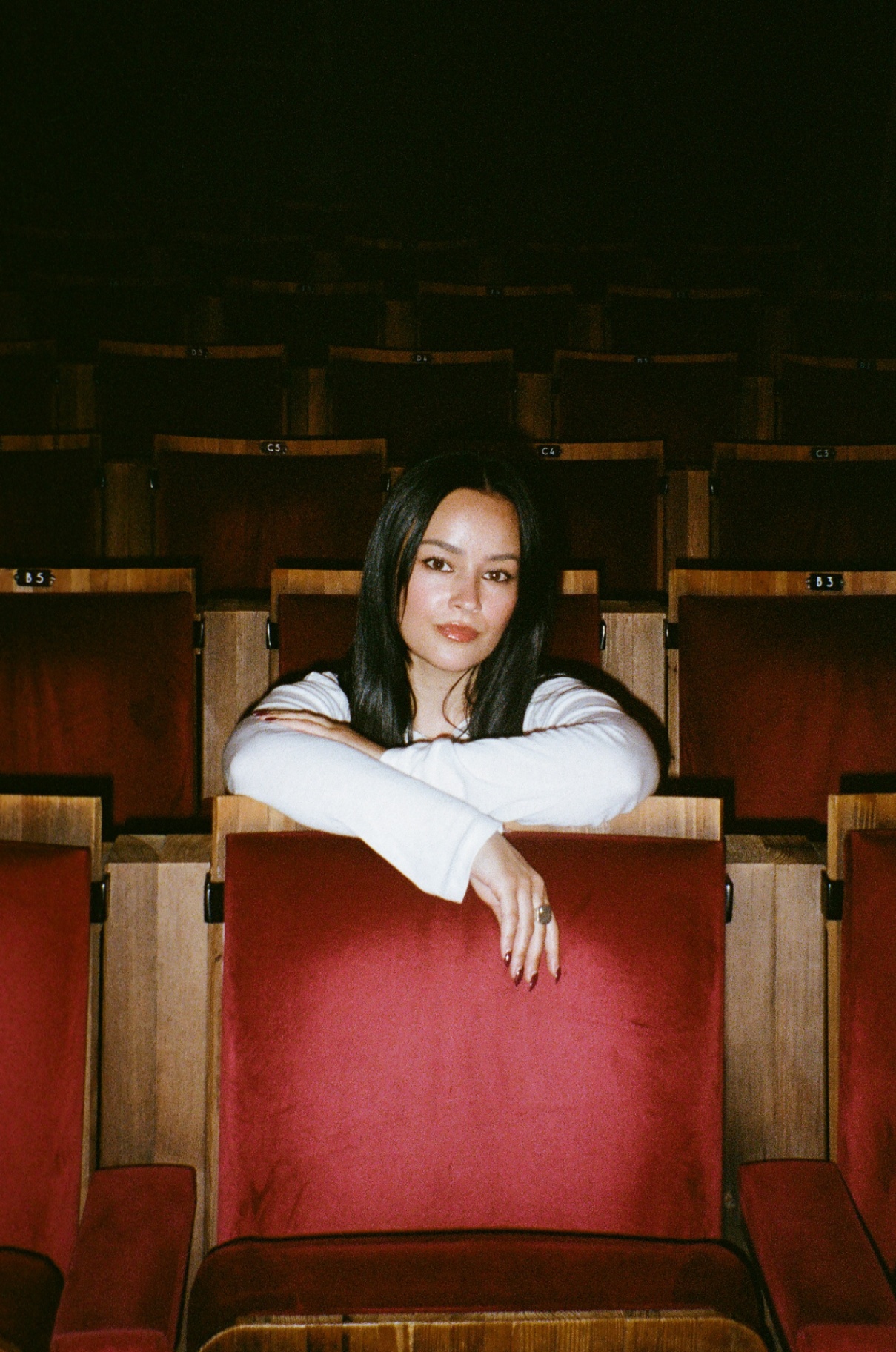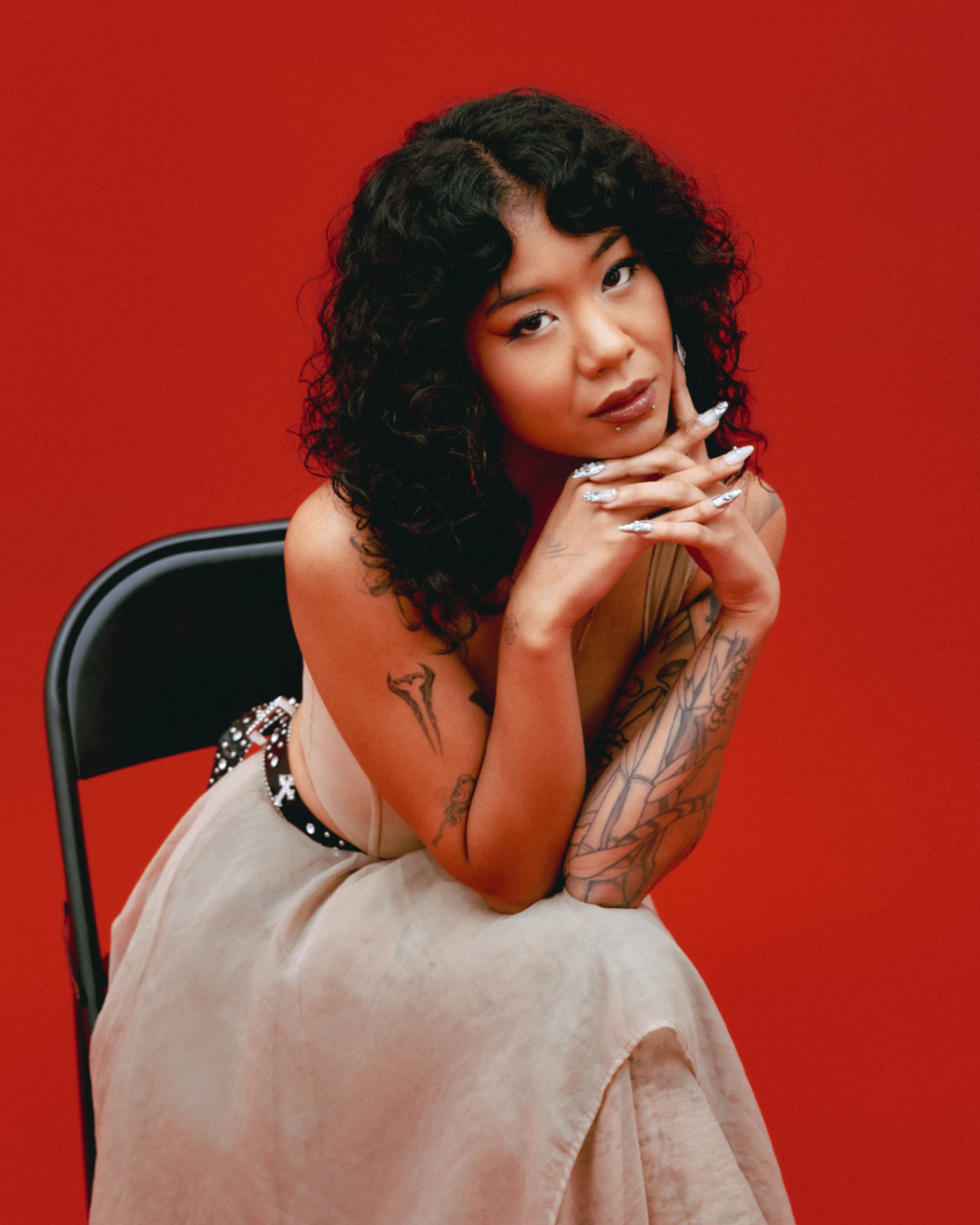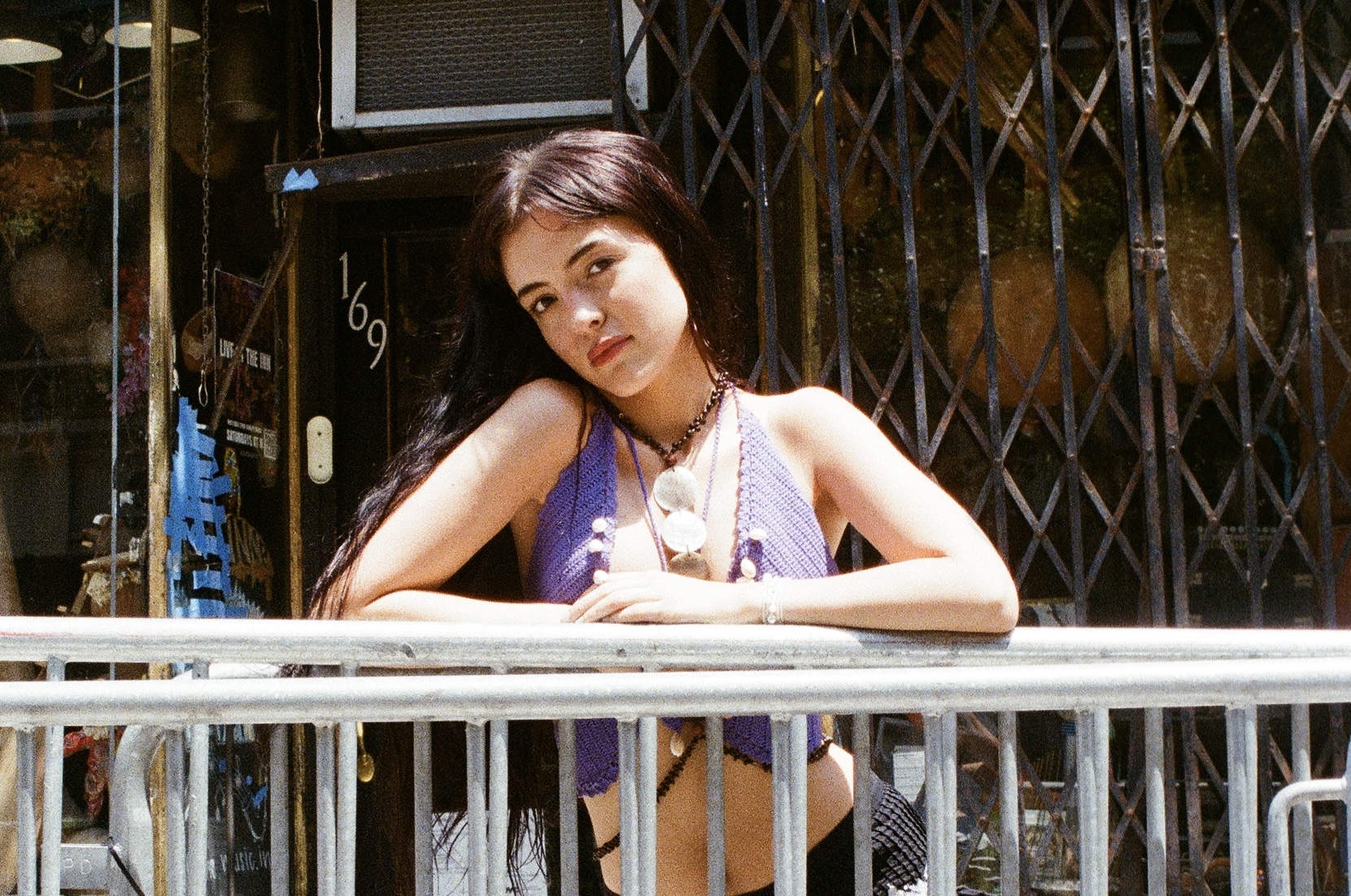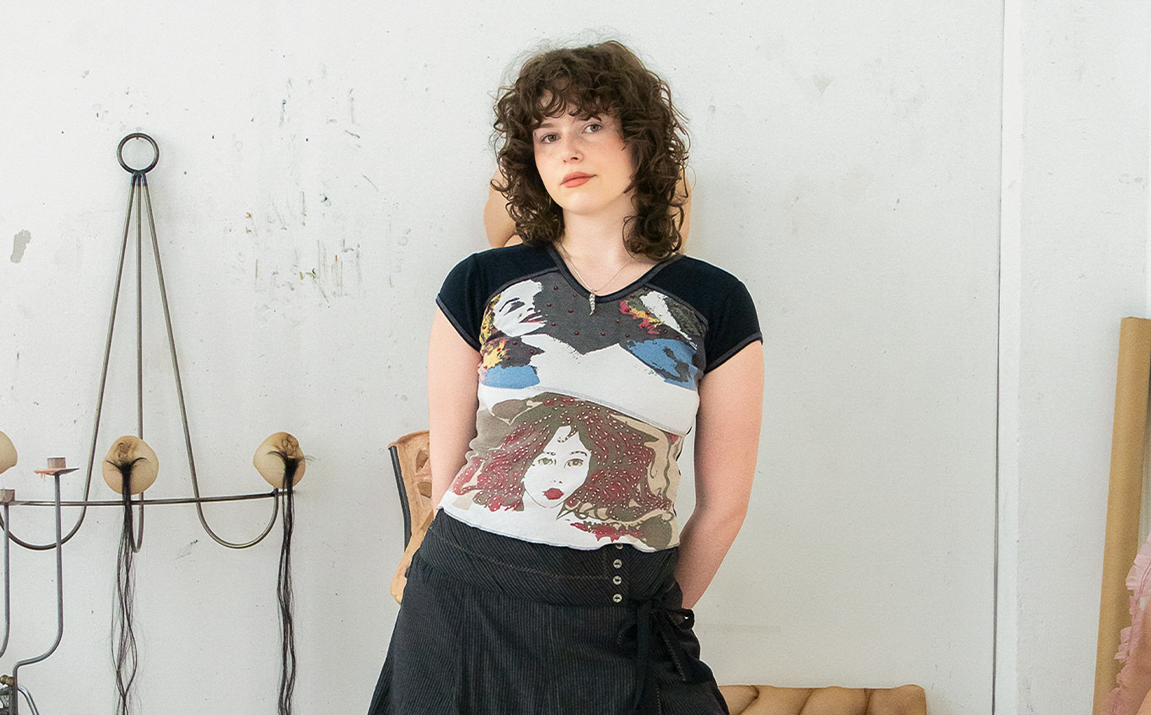
Eloise Harcourt (she/her) is a sculptor and mixed-media artist born and raised in New York City, currently based in Berlin for an extended artist residency. Her work examines the body as both a personal experience and a social object, often exploring themes of vulnerability, control, intimacy, and perception through visceral material relationships and bodily forms.
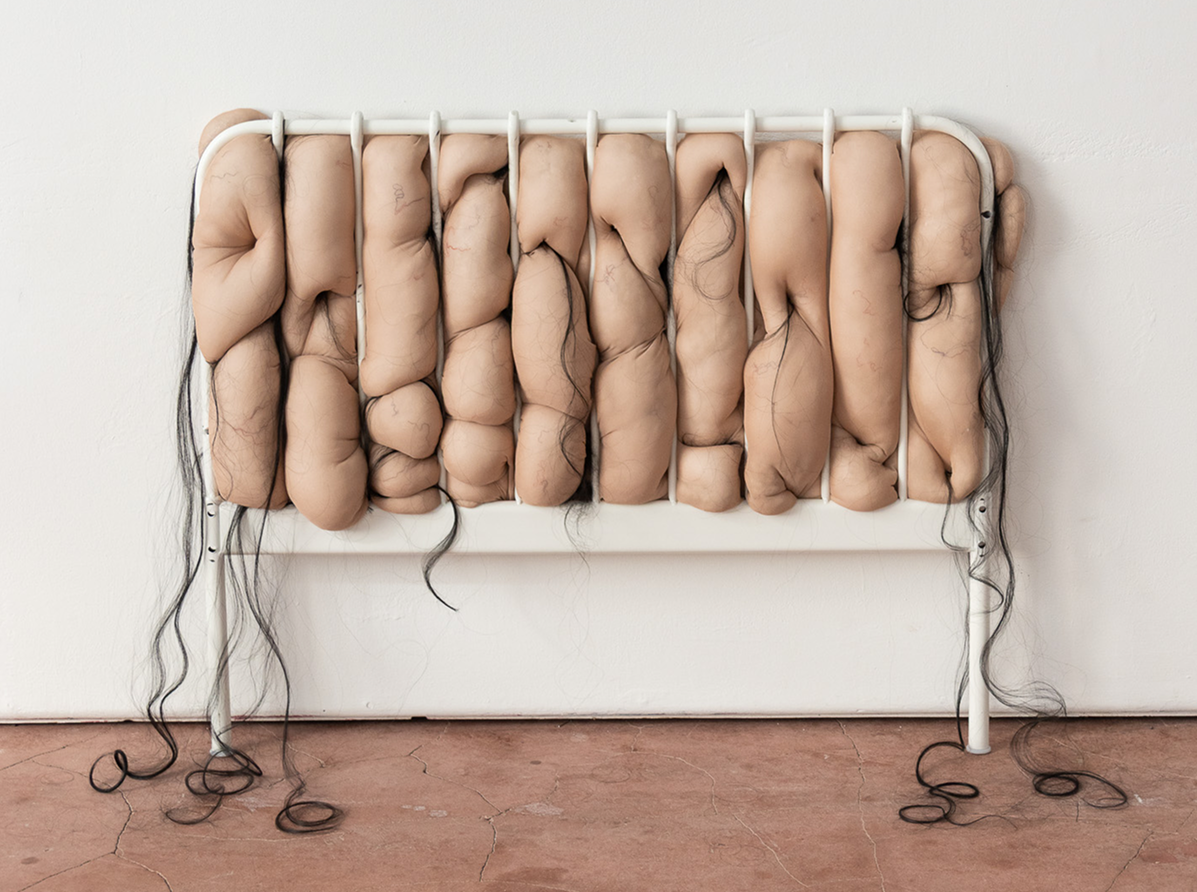
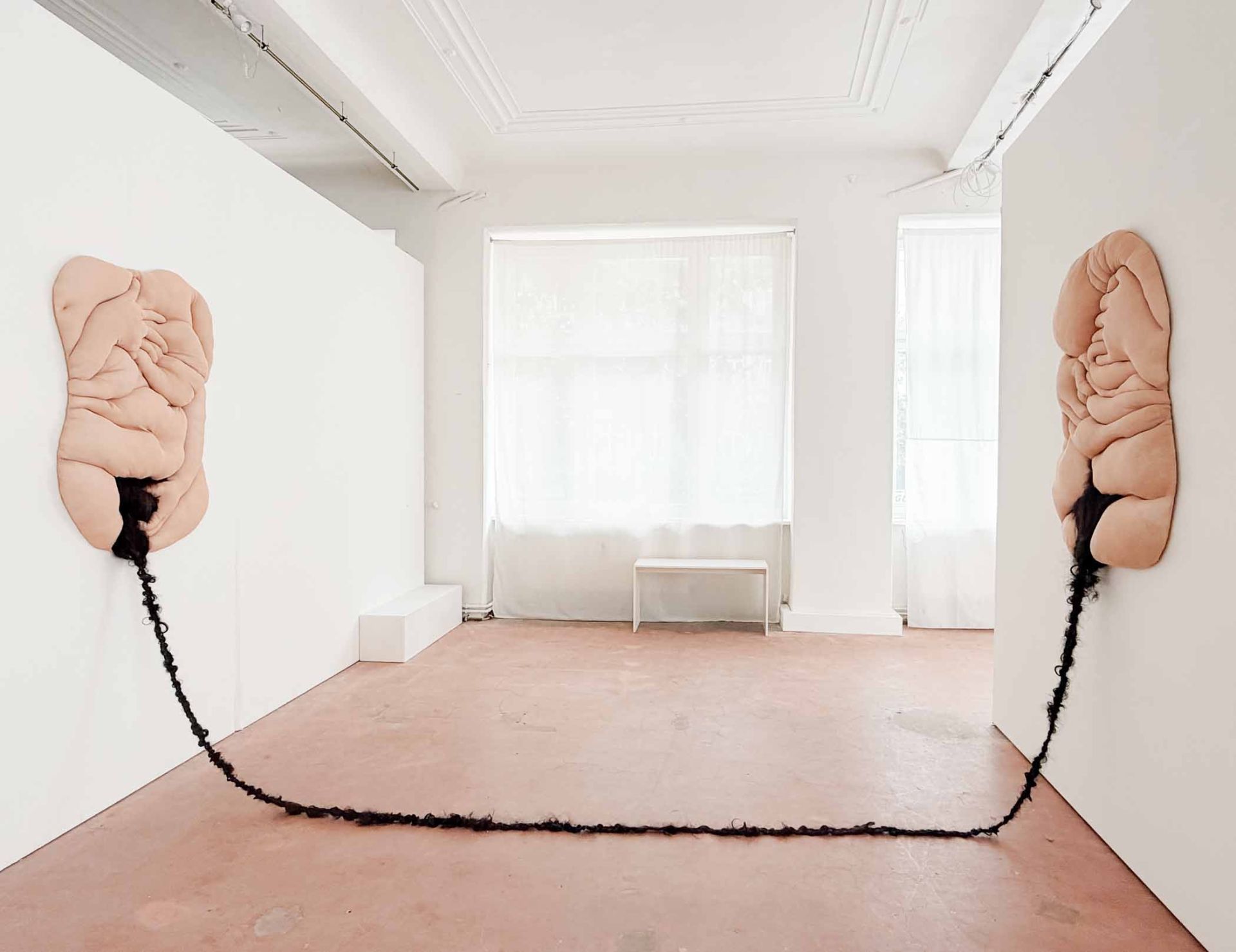
She received her BFA in Fine Art from the Sam Fox School of Design & Visual Arts at Washington University in St. Louis. Harcourt's practice is highly material-driven and intuitive, incorporating substances such as silicone, latex, plaster, hair, found furniture, and discarded domestic objects.
Recent projects include her solo exhibition Shed at Somos Gallery in Berlin. She was awarded the John T. Milliken Foreign Travel Award in support of her work abroad.
Alongside her studio practice, Harcourt works as an Emergency Medical Technician, an experience that has deeply informed her understanding of the body, care, and the tension between clinical systems and lived, embodied experience. Across both her artistic and medical work, she is deeply interested in radical community care, collective vulnerability, and the ways people build systems of support for one another, both inside and outside institutional structures.
Q1What keeps revealing itself in your process?
I'm always surprised by what I make. Oftentimes, ideas come to me in a dream, or I'll find something on the side of the road that's practically begging to become a sculpture. I rarely know exactly what a piece will look like when I begin.
Q2How do you replenish yourself between bodies of work?
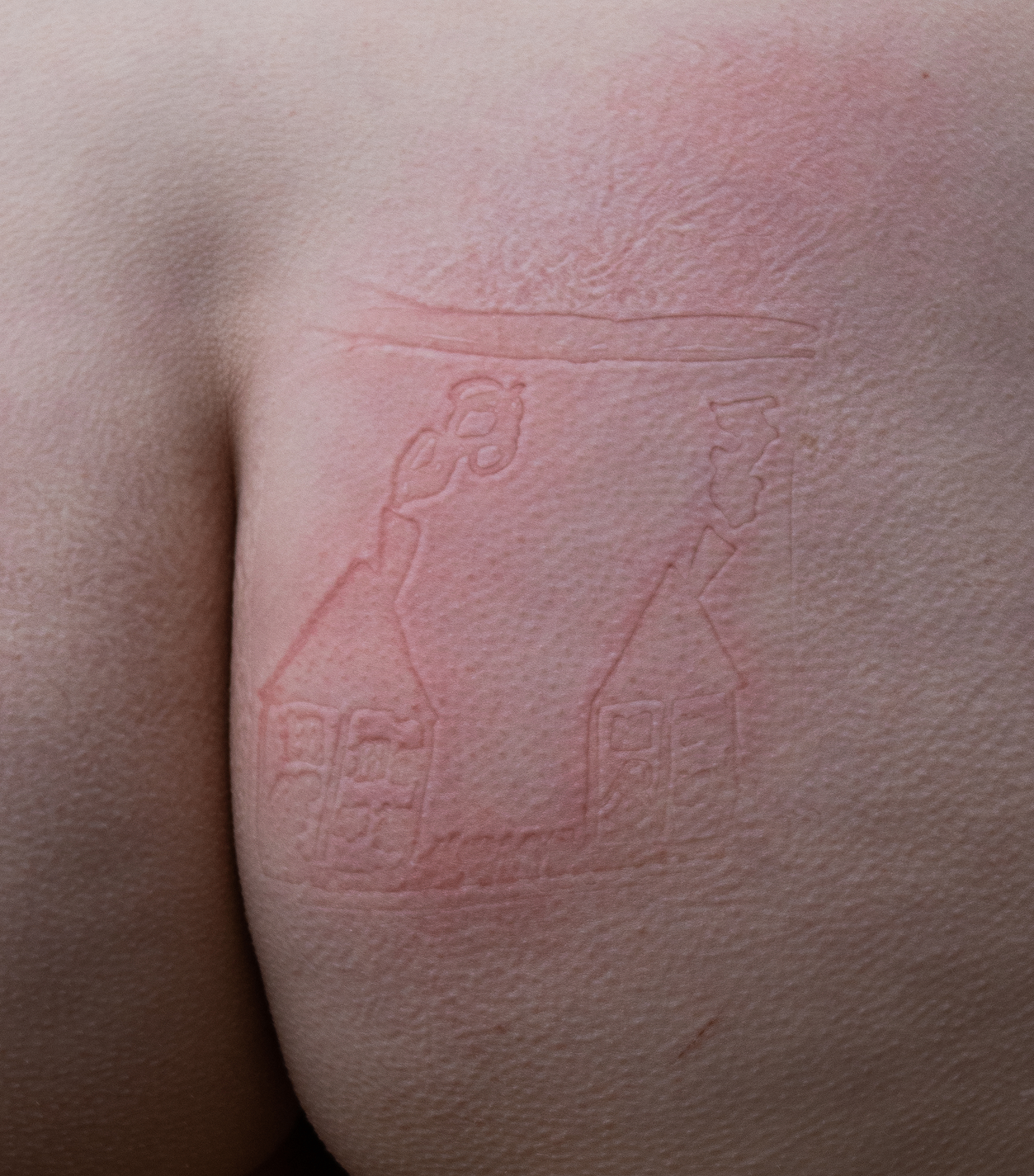
I have found that I oscillate between two states of being: production and processing. During the production phase, I am constantly making. I eat, sleep, and breathe art. It is the first thing I do in the morning and often the last thing I think about before I fall asleep. I dream about the projects I'm working on, and I find materials and fodder for my work everywhere. This phase is incredibly physical and embodied. My body develops aches specific to whatever I'm making. The webbing between my fingers becomes tender. The space between my shoulder blades knots up, and I find myself moving and posturing differently. It's as if the work sculpts my body back. The production phase is continuous and almost manic. It's a push toward something: a show, a deadline, or even one I've created for myself. It feels good to push myself to my physical limit, knowing there's an end in sight. The processing phase is quieter. It's lonelier at times. My dreams shift to visions of work that has yet to fully form, conceptually or physically. I consume a lot of media. I watch people. I walk and wander. I sleep. I stew and emote and spend a lot of time in my own head, processing and grieving and celebrating all at once. During these periods, I have to remind myself to be gentle, to give myself permission to refuel, and to trust that being an artist isn't about constantly creating. Sometimes the work is simply paying attention.
It's as if the work sculpts my body back.
Q3Is there another medium you keep revisiting?
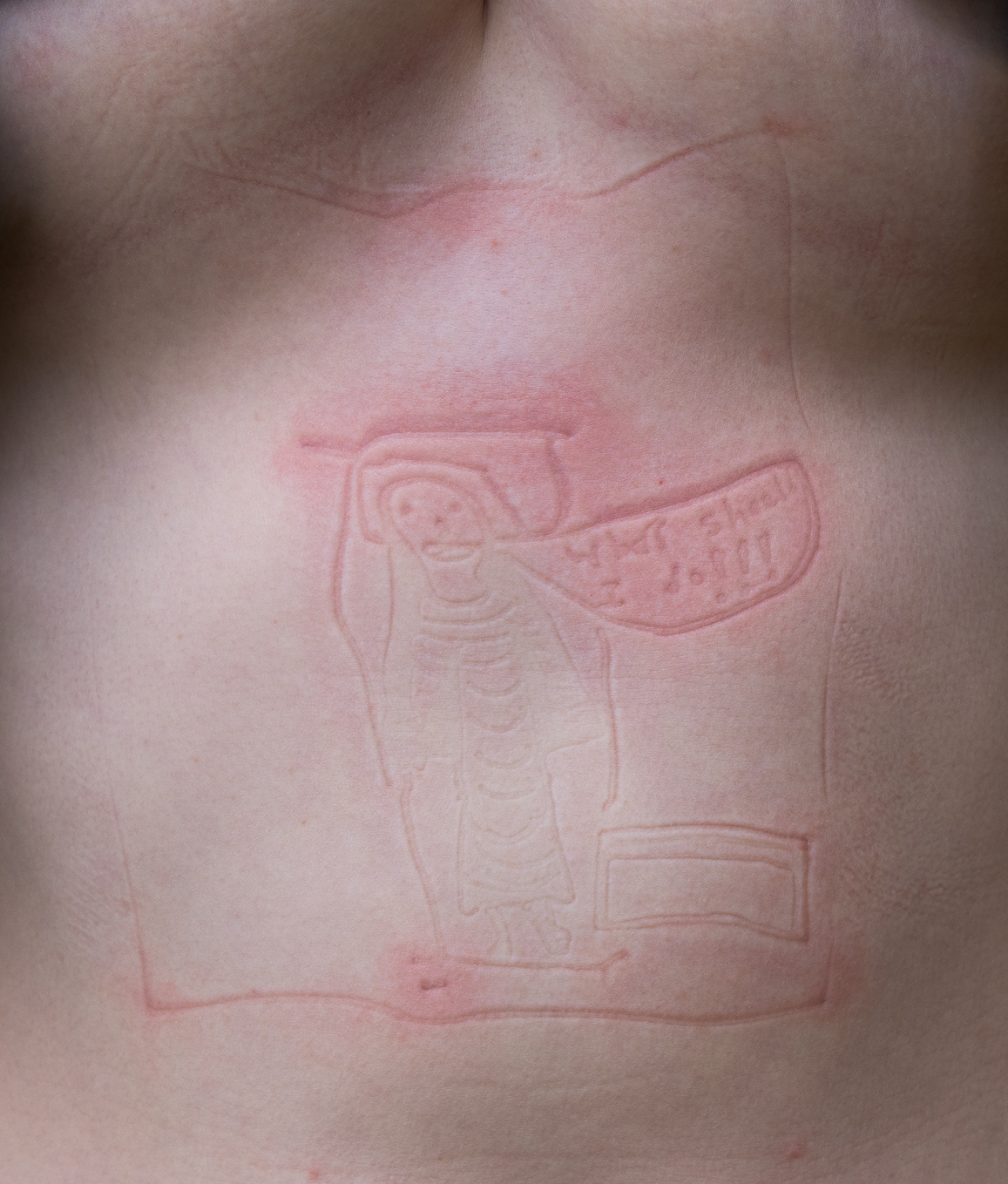
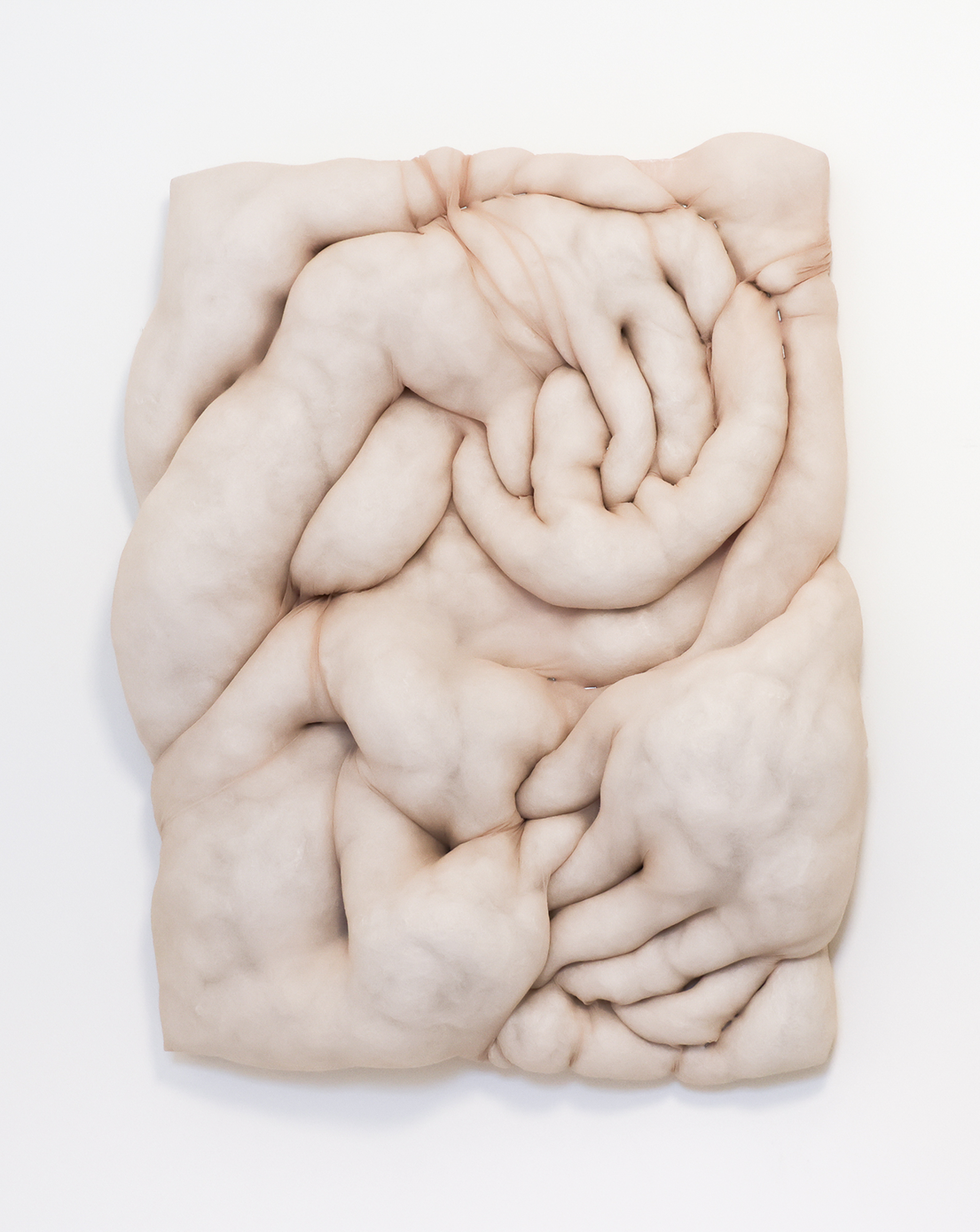
Dance. I used to dance, and I keep coming back to it. I love watching dancers use their gorgeous bodies to produce emotion and capture the essence of being human. I am fascinated by emergence—the way individual dancers can come together and suddenly become something larger than themselves. At a certain point, you stop seeing the separation between bodies and start seeing a single organism moving as one. It feels impossible to explain with language. It is pure magic. Maybe part of my fascination comes from a place of envy. As I've learned to navigate chronic illness, my own body has become something I have to negotiate with. I can't move through the world with the same abandon I once could. Watching dance lets me experience that abandon, even if it is only as a fleeting witness.
Q4A ritual you swear by?
Sleep. It sounds simple, but I genuinely believe sleep cures almost everything, or at least makes everything a little more manageable. Beyond that, I swear by connection with other people. Good conversations, dance breaks, shared meals, and long walks remind me that there is a world outside my own head, and that always ends up grounding me.
Follow the Journey
Follow Eloise Harcourt's practice as she continues her artist residency in Berlin.
Photos courtesy of Eloise Harcourt.